
Learn
Guides for choosing stone with confidence
Everything we wish every customer knew before picking a slab, written for first-time remodelers and experienced builders alike. Understand the materials, compare your options and plan your project.
Featured video · 12 minutes
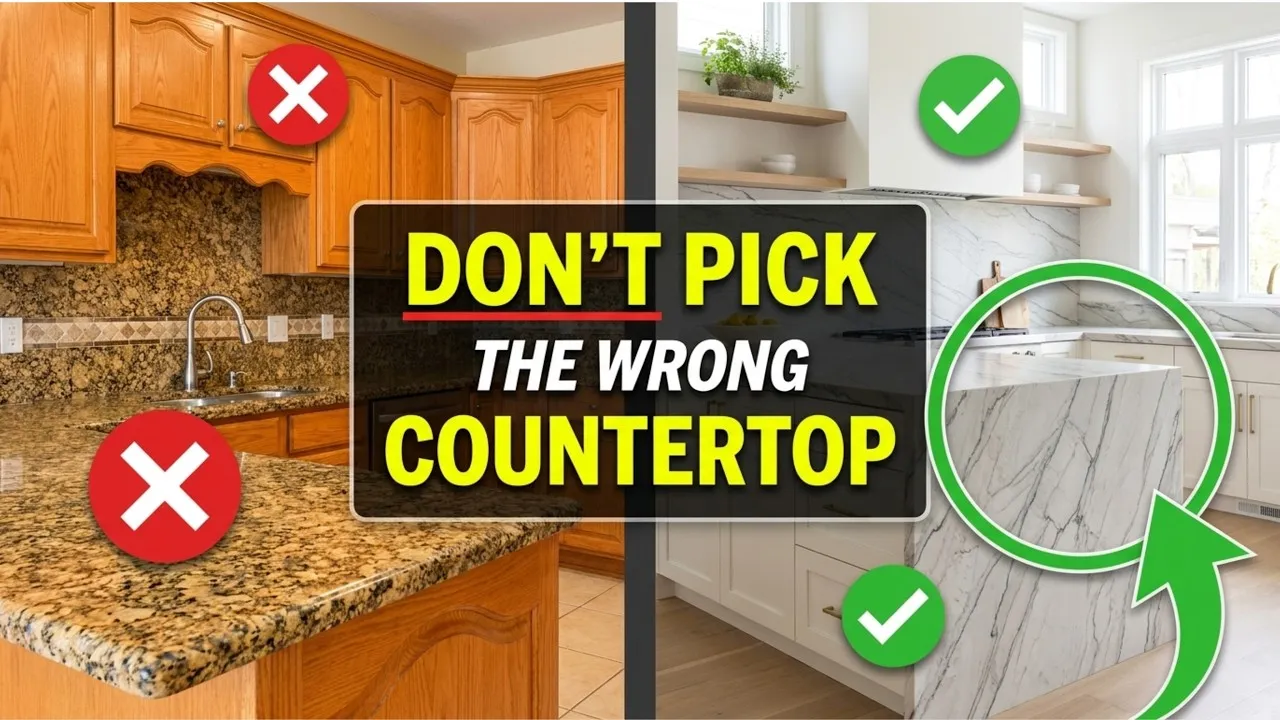
Five countertop materials, ranked
A designer with 15 years in construction compares granite, marble, engineered quartz, porcelain slab and quartzite. Jump to any chapter. Video by Design Framework on YouTube.
- 0:00 Introduction Why the countertop matters more than anything else in the kitchen, and what a wrong pick costs you: stains, etching and a dated finish.
- 0:18 No. 5 · Granite Still hard and heat-resistant, but busy brown-and-gold speckled patterns now read as dated. Tips for updating the room around granite you already have.
- 2:25 No. 4 · Marble Unmatched beauty, but it is calcium carbonate: acids etch it and spills can stain if the seal has gaps. Best for kitchens that see light use.
- 4:28 No. 3 · Engineered quartz Durable, barely stains and needs no sealing, but it is now so common it reads as standard, and marble-look patterns look flatter than real stone.
- 6:52 No. 2 · Porcelain slab Large, thin slabs that shrug off stains, acids, heat and scratches, with surfaces that convincingly mimic marble, concrete or limestone.
- 9:09 No. 1 · Quartzite A natural stone formed from sandstone under heat and pressure: marble-like veining with more hardness, heat resistance and no etching from lemon juice.
How to read this ranking: the video scores materials by its own criteria, mainly how current each one looks today and how much care it asks for. It is one designer's view, not a universal list of the best countertops. Granite is still one of the hardest-wearing surfaces you can buy, and marble suits owners who are happy for it to develop a patina. Some quartzites, marbles and dolomites can look very similar, so ask for the identity of the specific slab you are considering, and test a sample for scratching and etching before you commit. Compare all ten materials in our stone types guide.
Behind the slab · 12 minutes
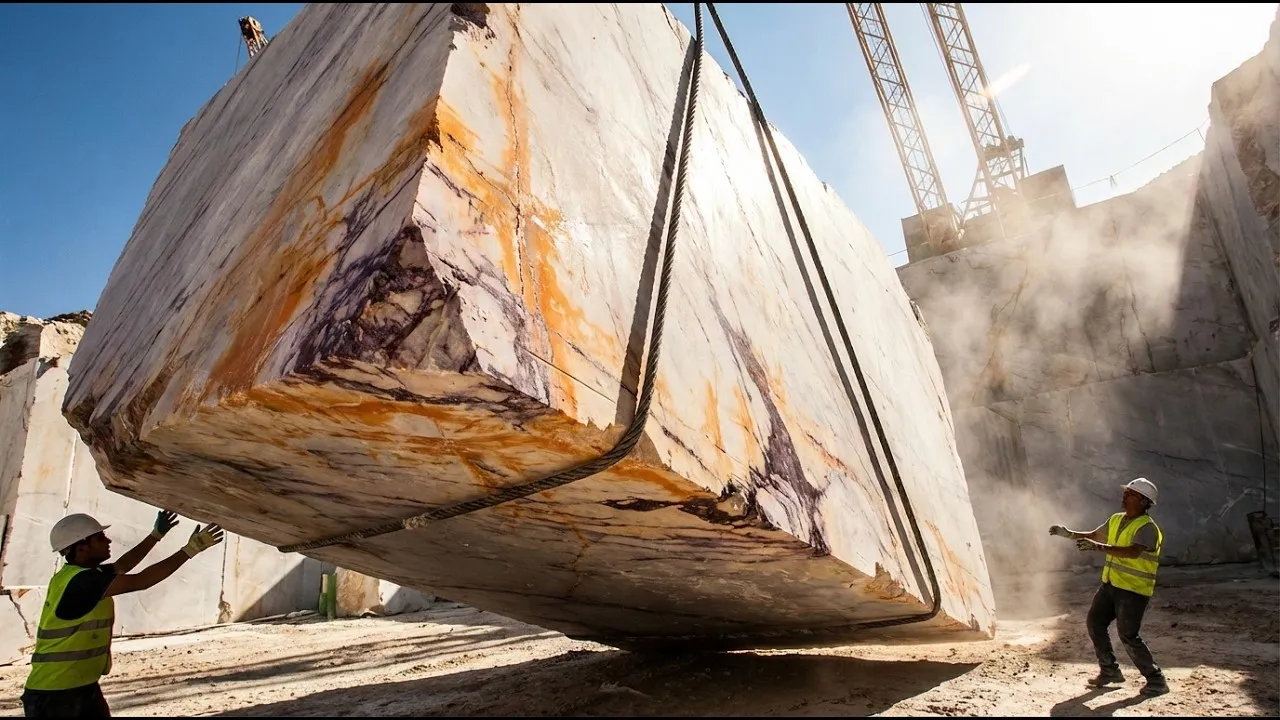
From quarry to countertop
Follow marble from the quarry face to a finished countertop: how blocks are cut and moved, sliced into slabs, reinforced, finished and delivered. Video by Lord Gizmo on YouTube.
- 0:00 What marble is A metamorphic rock: limestone transformed by heat and pressure over millions of years.
- 0:31 Quarrying Open-cast quarries, vertical or horizontal cuts depending on the deposit, and how veining makes each block unique.
- 2:22 Blocks into slabs Blocks of 6 to 15 tons, and why wet saws keep the stone cool so it does not crack.
- 3:37 Moving the blocks Wheel loaders, crawler tractors and cranes carry blocks from the quarry face to the factory.
- 4:43 At the factory Blocks are sorted and sliced by multi-wire diamond saws, around eight hours for one block.
- 6:40 Finishes and resin Abrading for different finishes, natural versus artificial marble, and the mesh and epoxy that reinforce a slab.
- 9:15 Fabrication CNC cutting, hand finishing and joining the pieces of a countertop.
- 10:34 Delivery Countertops travel upright on A-frames, strapped and moved with carrying clamps to protect the finish.
Worth knowing: the resin and mesh backing shown in the factory are used on some slabs, not all. Whether a slab has them depends on the stone and the supplier, so ask about the specific slab you choose. The video says marble handles heat well; it does tolerate moderate heat, but a sudden temperature change can crack or mark it, so use a trivet for pans straight off the burner.
Core guides
Start here
Essential guides to help you choose the right stone and the right application for your home or business, plus a close look at how engineered quartz is made.
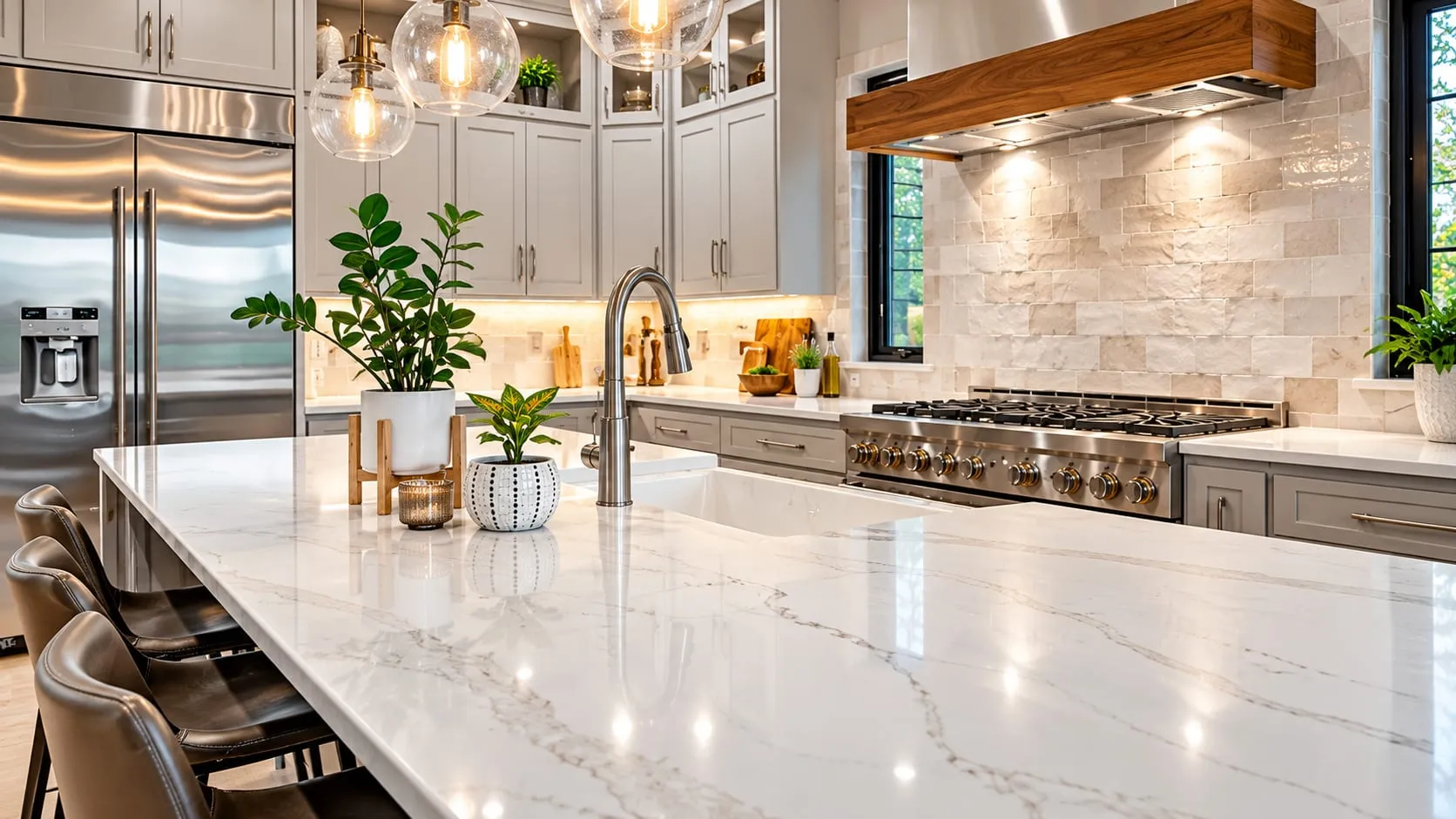
- 10 materials compared Understanding the different types of stone Granite, marble, quartzite, engineered quartz, porcelain, travertine, limestone, onyx, soapstone and dolomite: how each forms, looks, wears and should be cared for, with a side-by-side comparison table and practical selection advice. Read guide
-
 9 applications explained Understanding our products
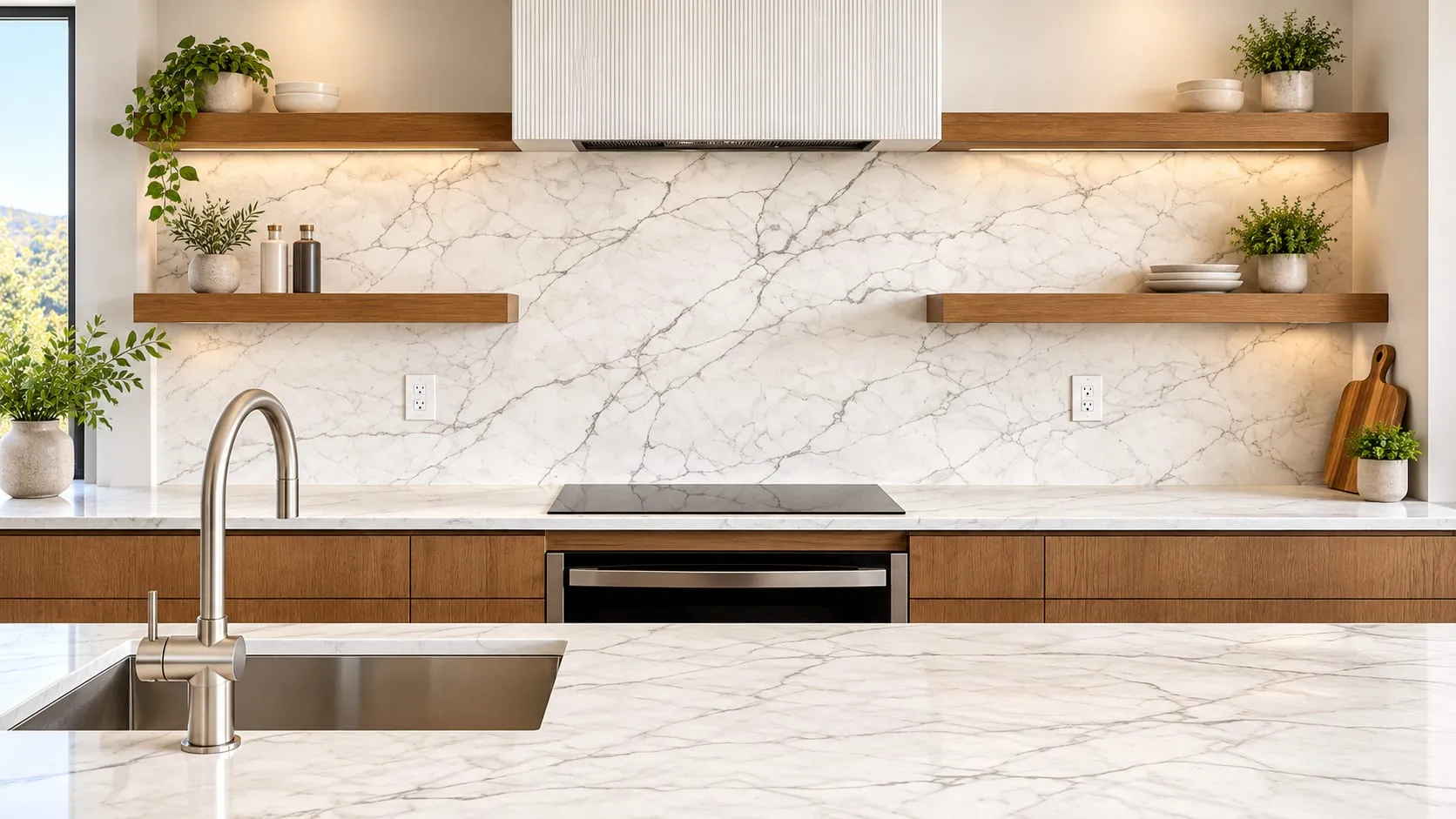
Countertops, islands, vanity tops, backsplashes, fireplace surrounds, floors, stairs, feature walls and custom
pieces: what each involves, what to consider before buying, and what information helps us help you.
Read guide
-
 Material deep dive · video How engineered quartz is made
From crushed quartz to polished slab in nine stages, what the process means for heat, stains and care, and
how quartz differs from quartzite.
Read guide
Articles
Practical reading
Shorter pieces on planning, measuring, care and design. New articles are added over time.
Natural beauty. Real options.
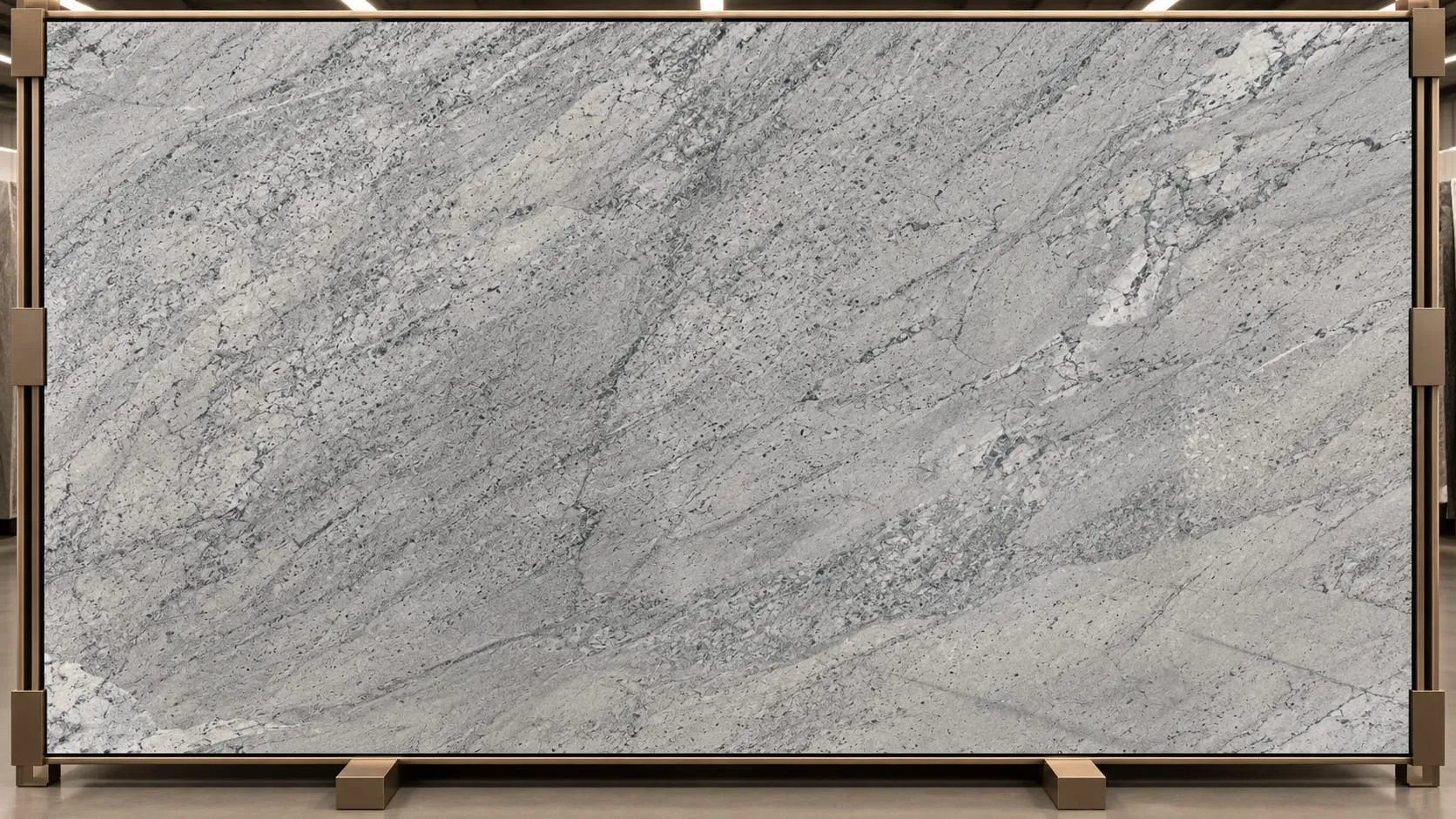
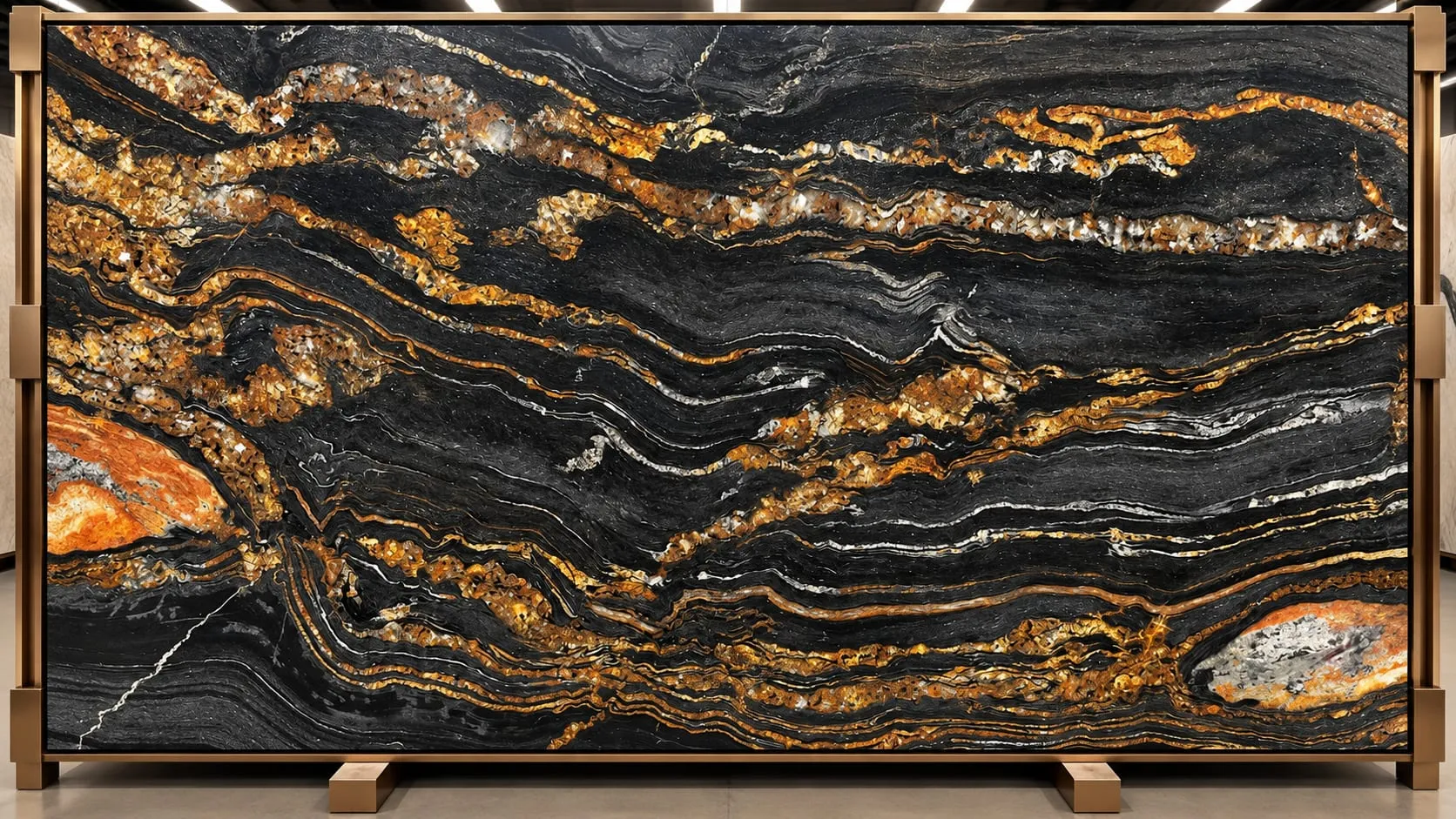
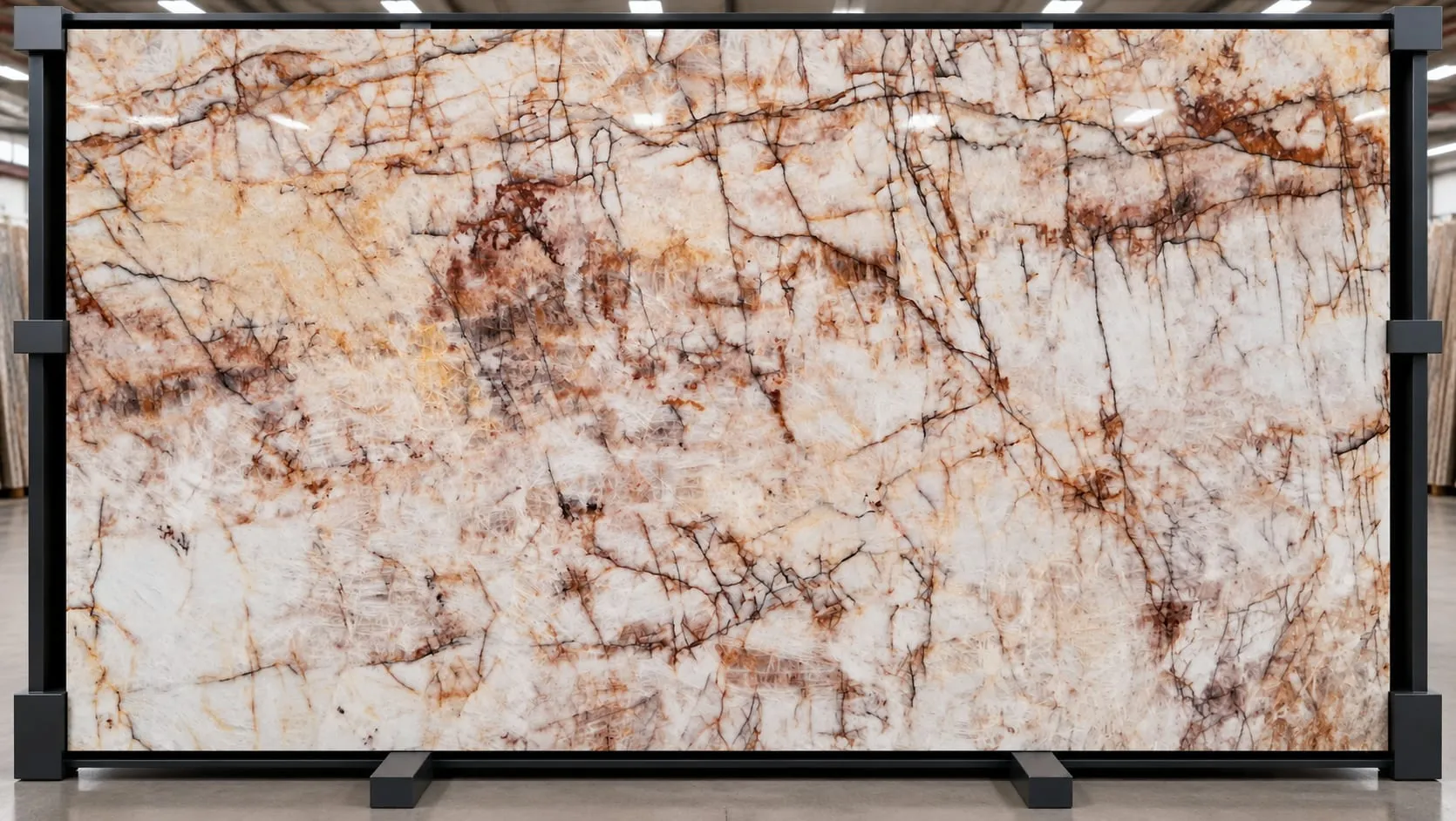
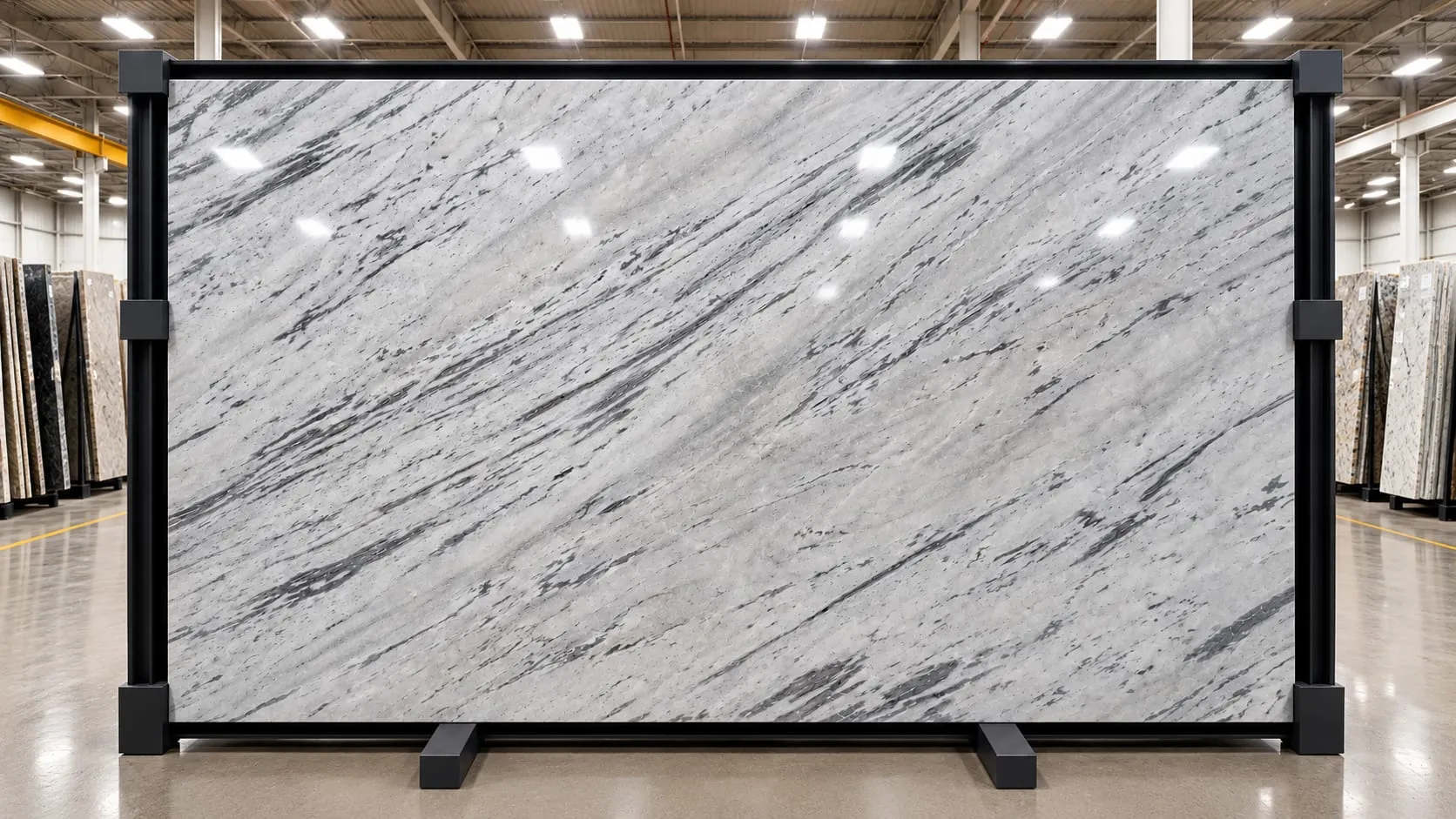
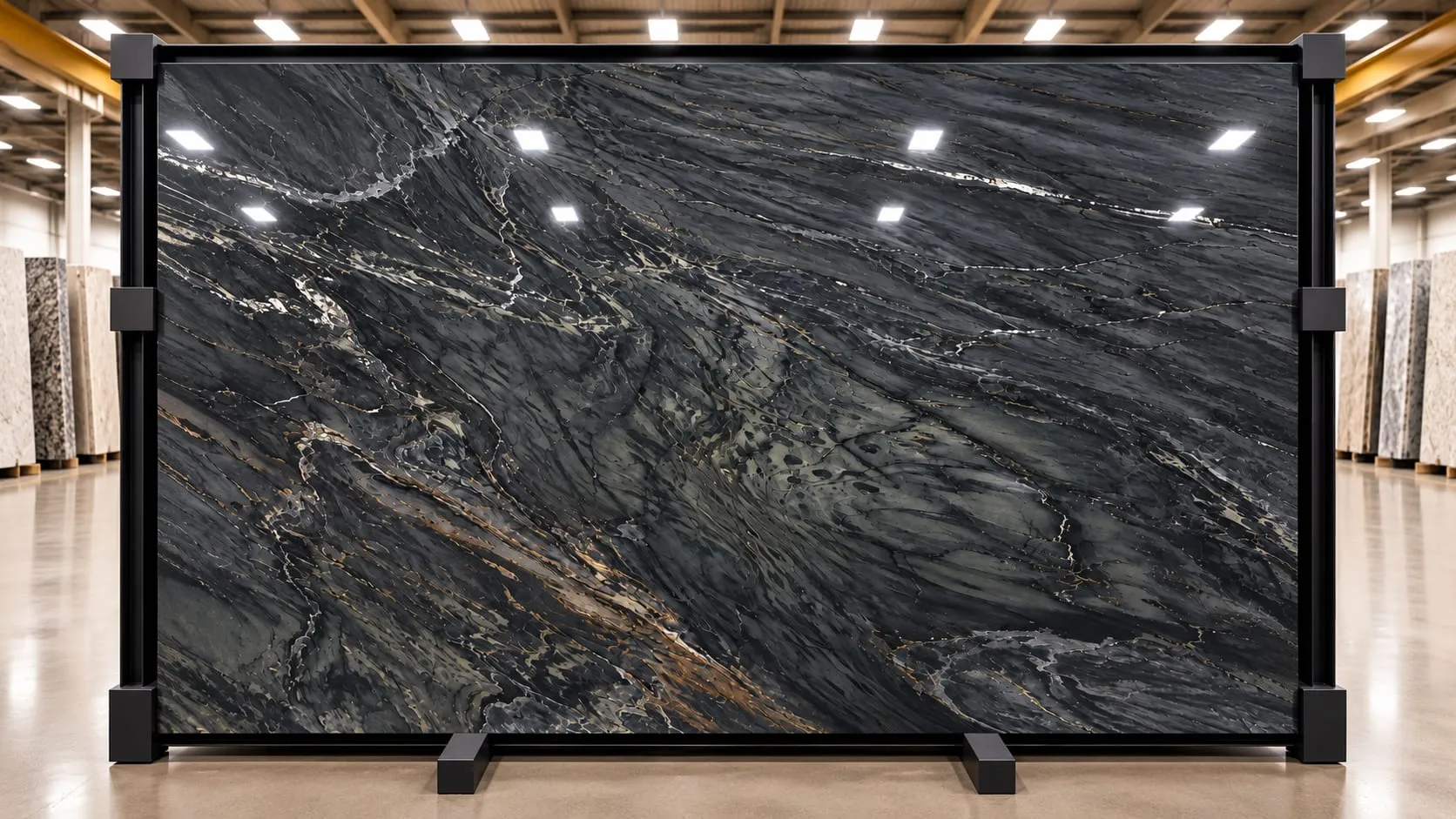
From bold movement to subtle, timeless looks, explore natural stone and premium surfaces as full-slab photos before you choose a material for your project.
Browse all 161 materials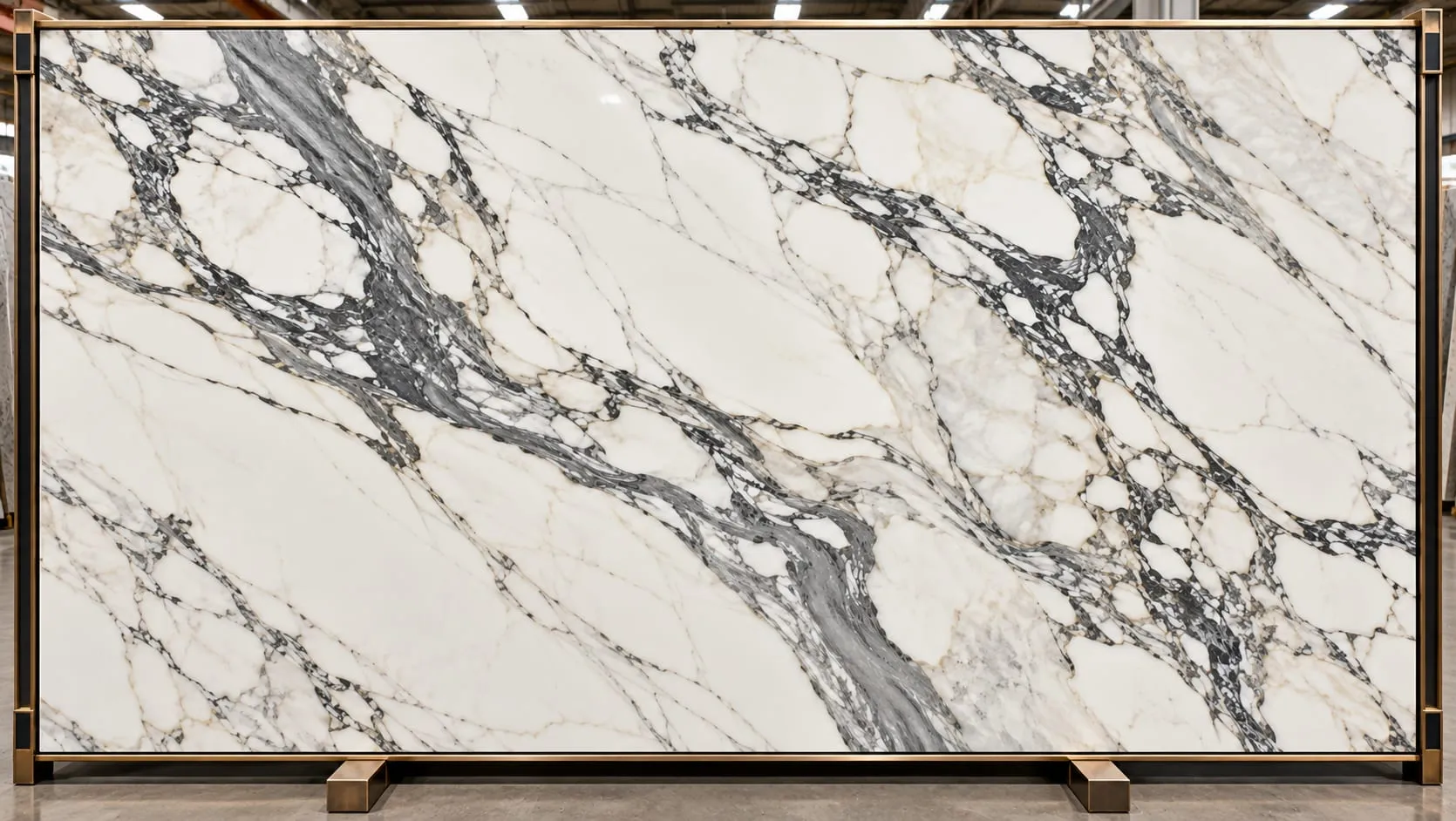
Start a conversation
Still have questions?
Ask us anything about materials, care or planning. There is no such thing as a silly question when you are choosing something you will live with for decades.